
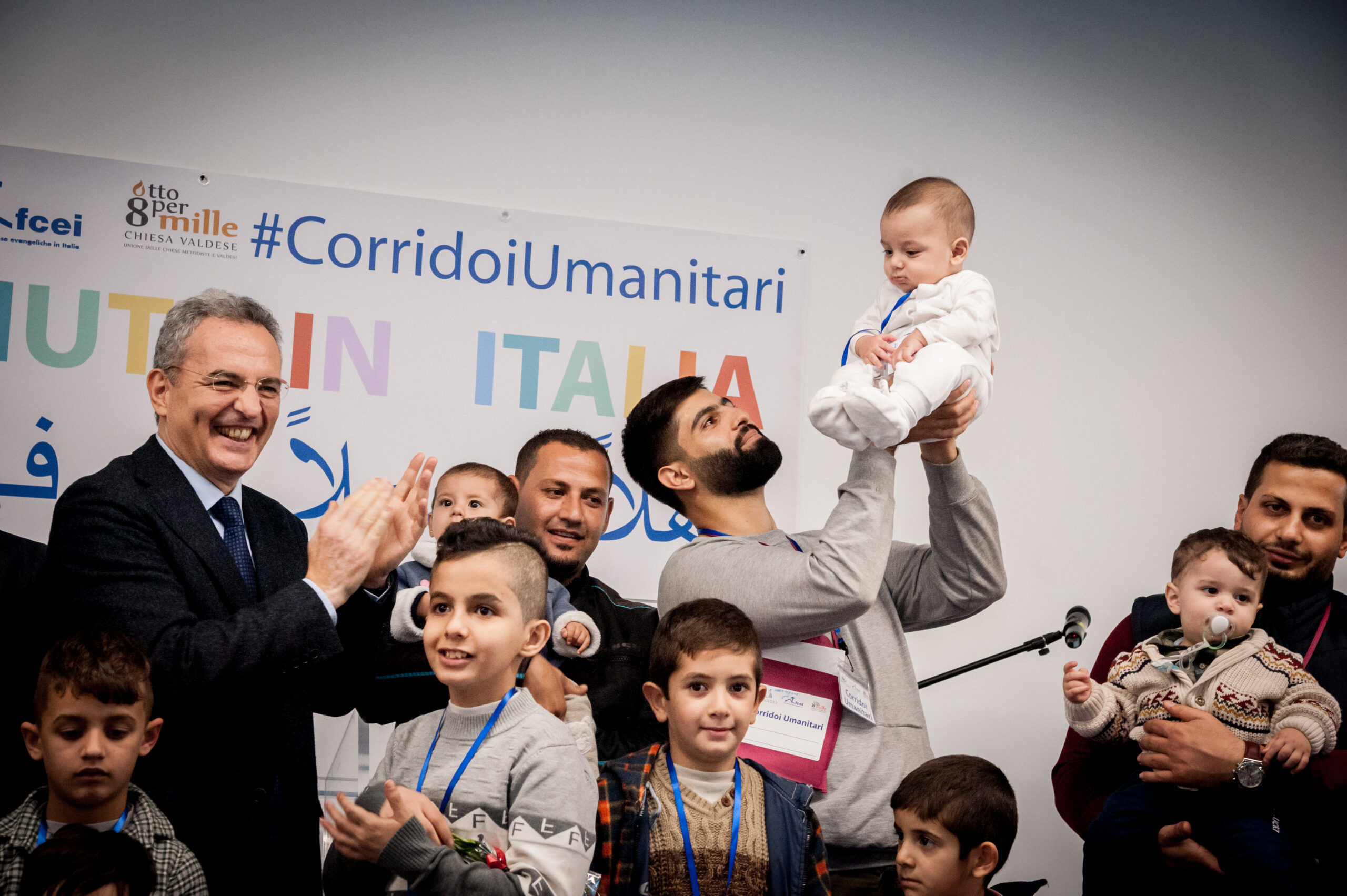
Hosting minors from Gaza
Thanks to your invaluable support, the Humanitarian Corridors Programme has grown and expanded, providing reception and integration to an increasing number of refugees from many countries. Today, this programme is recognised at European level as a benchmark best practice.

Introduction
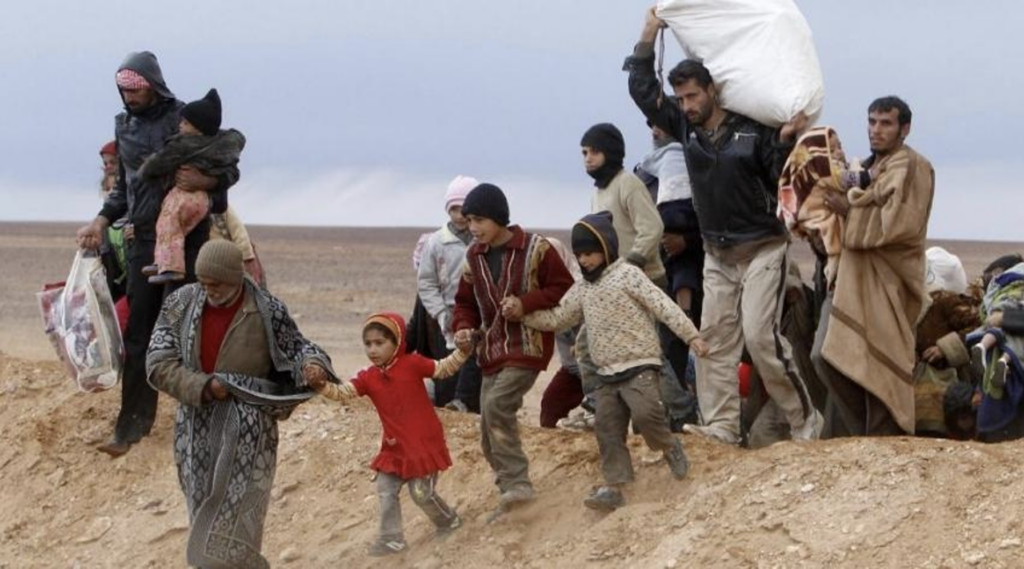
Despite the efforts made by civil society in recent years, we are still witnessing the denial of the rights of millions of people fleeing war, extreme poverty and the increasingly devastating effects of climate change. Thousands of men, women and children continue to die, to be detained, detained and pushed back, both at the borders of Europe and in countries along the migration routes. Countries such as Libya, Lebanon, Ethiopia, Cyprus or Pakistan become inaccessible borders or places of eternal waiting in refugee camps for those fleeing from contexts such as Sudan, Afghanistan, Syria or the Democratic Republic of Congo. According to IOM and UNHCR, more than 64,000 people arrived in Europe by sea in the first six months of 2025. In the same period, at least 500 people are reported dead or missing in the Mediterranean Sea, which remains the most dangerous migration route in the world.
Faced with a lack of access to safe and accessible legal routes, many refugees rely on traffickers, paying with their savings or even their lives for the hope of a better future. For those fleeing countries like Syria, Afghanistan or Sudan, obtaining a visa is almost impossible. Without stable humanitarian corridors and legal channels of entry, those fleeing war, persecution or environmental disasters still have no alternative, while Europe remains unprepared to welcome those who knock on its doors.
History and method of corridors
Born in 2016 on the initiative of the Community of Sant’Egidio, together with the Federation of Evangelical Churches in Italy and the Tavola Valdese, the Humanitarian Corridors represent a concrete and innovative response to the refugee drama. Conceived as a safe alternative to the journeys of death in the Mediterranean, they restore dignity and hope to thousands of people in search of protection. The project is based on a simple but revolutionary principle: to offer a legal and safe channel for vulnerable refugees, selected directly in transit countries, to enter Europe. Today, almost eight years after its launch, the Humanitarian Corridors are recognised as a best practice at European level and an effective reception and integration model, cited among the best practices of “private sponsorship”.
They show that an alternative is possible: thanks to the cooperation of civil society, it is possible to build pathways to real autonomy, improve the living conditions of the people received and spread experiences of solidarity and inclusion throughout the country. Many beneficiaries come from contexts of war and persecution, such as Syria, Afghanistan, Eritrea, Somalia, Sudan and Palestine. What distinguishes them is the presence of families, children, sick or disabled people: particularly vulnerable individuals who would find it difficult to obtain protection through ordinary channels. The model, supported entirely by civil society resources, is distinguished by its capillarity and the high rate of inclusion of the beneficiaries, who become an integral part of the social fabric.
Since the programme’s inception, approximately 8,500 people have reached Europe safely thanks to the Humanitarian Corridors Programme.
The War in Gaza: Sant’Egidio’s Commitment to Welcoming Children
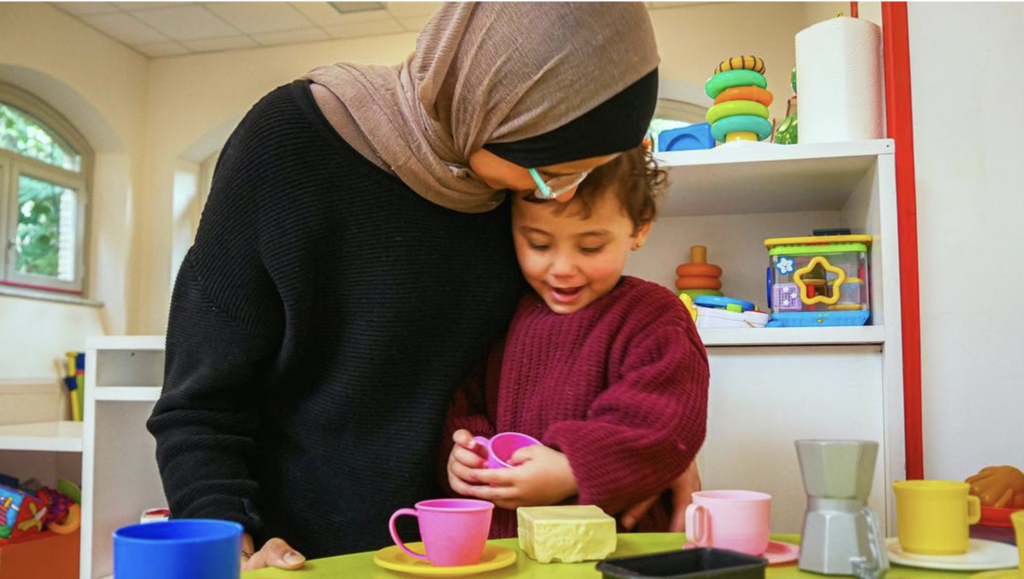
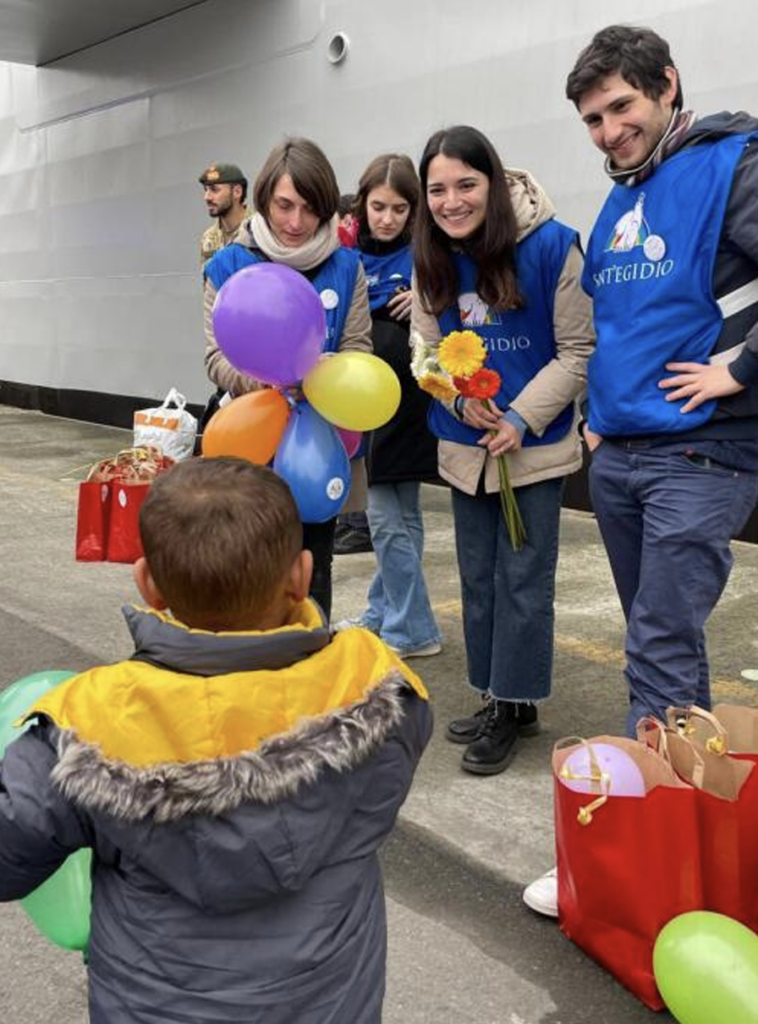
Sant’Egidio has been working in collaboration with the Italian authorities to welcome children from Gaza who have arrived in Italy to receive medical treatment, accompanied by a few adults. Some of the children were in extremely critical condition, suffering from severe injuries, including amputations. They have been admitted to Italian hospitals that offered their availability to provide care. The Community of Sant’Egidio – together with other organizations promoting the Humanitarian Corridors – immediately responded to this humanitarian initiative by activating its local network to find solutions for the children and their accompanying relatives. Some of them are being hosted in facilities managed by the Community, where efforts are underway to help the children regain a sense of normality by attending nursery or school.
While awaiting peace, the Community is working to reunite the children with surviving family members whenever possible.
The Community of S.Egidio ACAP aims to welcome, through this project, 25 minors: • from single-parent families, who have arrived in Italy through the Humanitarian Corridors (of various nationalities and coming from Cyprus, Afghanistan, Lebanon, and Ethiopia) or through the “humanitarian evacuations” organized by the Italian government from Gaza; • unaccompanied minors already present in Italy, referred by Prefectures or other institutional channels. The project will contribute to the development of appropriate reception and integration pathways in Italy, with the involvement of civil society, for an indicative duration of six months.
Objective
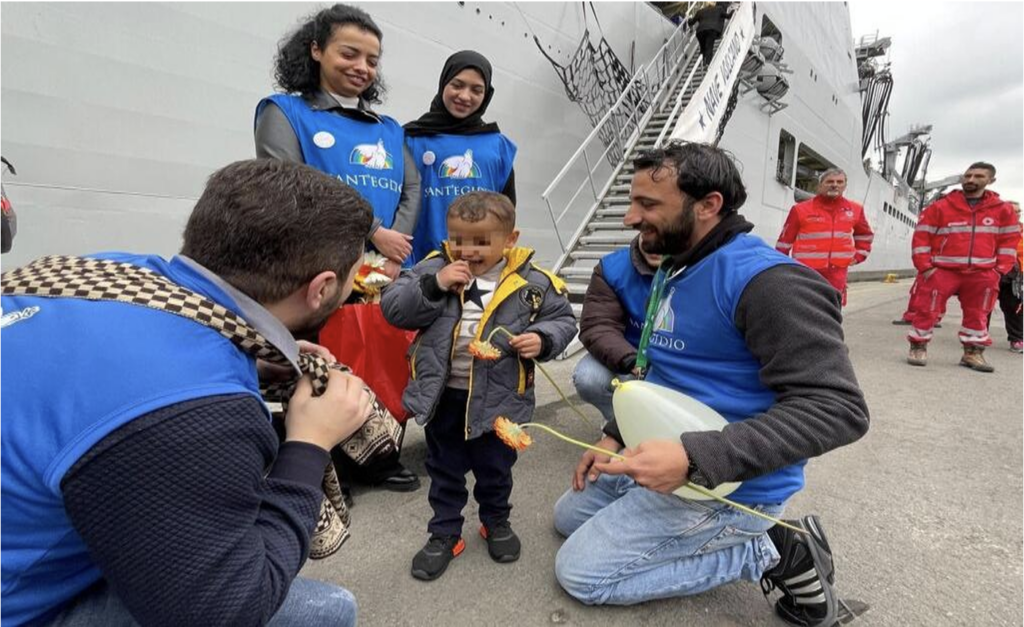
The core of our project is to guarantee protection and dignity to minors and families arriving in Italy in conditions of extreme vulnerability. We aim to provide not only humanitarian assistance but a genuine path toward inclusion, starting from urgent needs to a smooth integration within the social fabric of Rome and other Italian cities.
Reception Step by Step
In the first weeks following their arrival, we work to build a solid and secure foundation for their future:
- A Safe Home: accommodation is provided in dedicated apartments or facilities for both families and unaccompanied minors. Support also covers management costs and specialized staff to assist the children.
- Daily Support: we regularly supply food, clothing, and basic necessities to ensure a dignified life from the very first moment.
- Health and Well-being: every child receives a full medical screening, enrollment in the National Health System, and access to specialized care at top hospitals like Bambino Gesù or Gaslini, alongside psychological support to help overcome trauma.
- Legal Guidance: all bureaucratic procedures are managed professionally, from residence permits to refugee status recognition.
- Socialization: we organize events and parties to encourage interaction with peers, helping children build new friendships and finally feel part of a community.
Key Pillars of Integration:
- Education and Tutoring: students are enrolled in age-appropriate public schools or vocational training programs. Volunteer led tutoring and essential materials, including books and digital tools, are provided to ensure academic success.
- Italian Language Mastery: specialized courses are available for all levels to shorten the time needed for successful school or work insertion. These classes are often grouped by age to foster peer interaction, and family members are also invited to attend free language programs.
- Social and Cultural Life: participation in sports, recreational activities, and community events is encouraged to build social bonds and prevent isolation.
- Pathways to Employment: young people over 16 receive dedicated career guidance, including CV preparation, interview coaching, and access to professional training or internships.
- Bureaucratic Support: assistance is provided to navigate essential paperwork, such as obtaining identity documents, setting up bank accounts, and applying for scholarships or social benefits.
- Housing Autonomy: families receive specialized support in their search for long-term housing. This includes help with rental contracts, utility expenses, and initial startup costs like furniture or minor home maintenance.
Project budget in detail
€
Intercultural mediators
5.000,00
Purchase of goods and equipment
5.000,00
Food and catering
10.000,00
Clothing, aids and hygiene products
5.000,00
School materials
5.000,00
Other operating expenses
2.000,00
Health care and accompaniment
4.000,00
Consultancy and paperwork expenses
2.000,00
TOTAL CHARGES
38.000,00
Funding
€
Community of St. Egidio ACAP / Private benefactors
4.000,00
REQUESTED BUDGET
34.000,00


